Protecting and Maintaining Ecological Stability
Protecting and Maintaining Ecological Stability
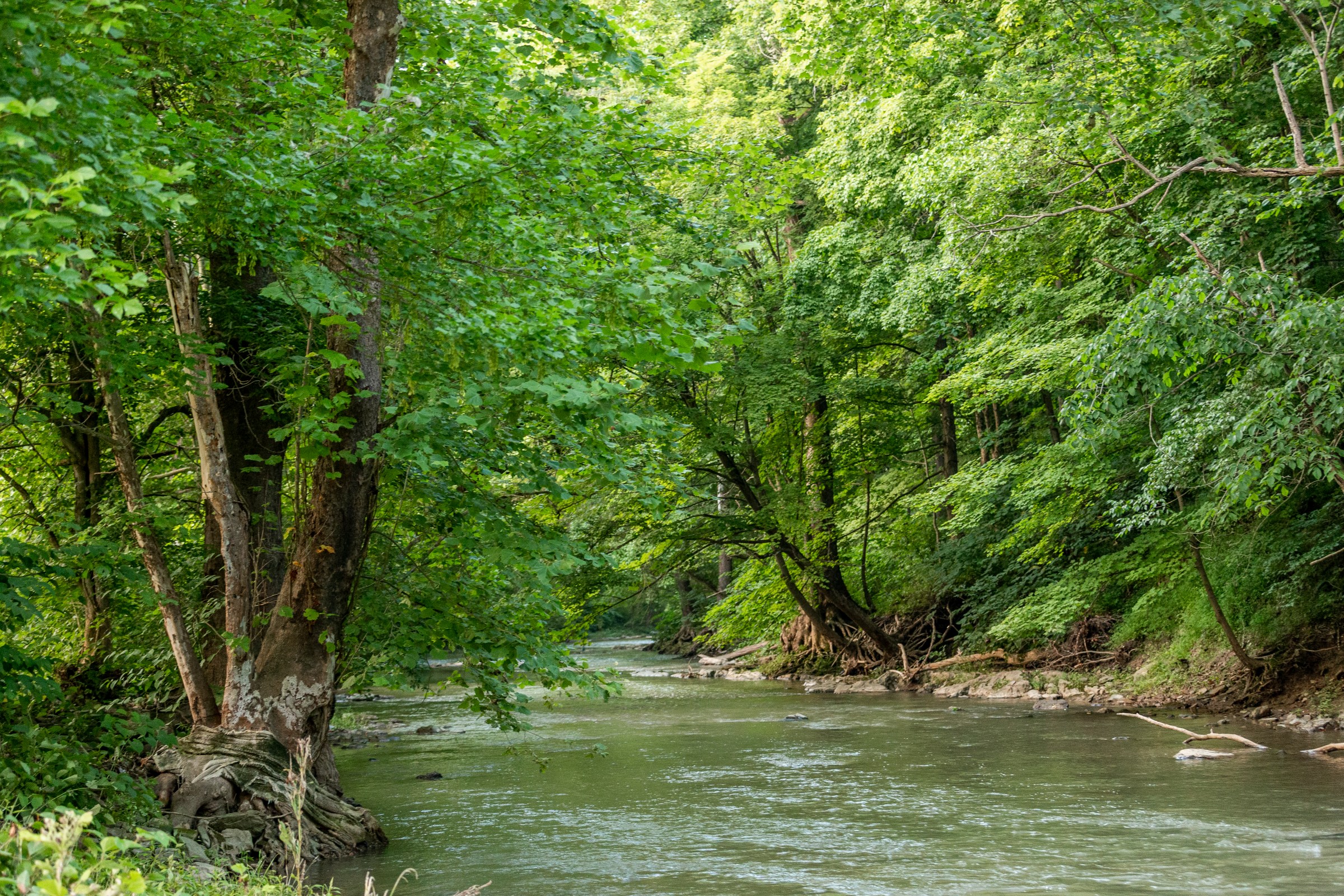
We build essential energy infrastructure while protecting the natural systems that sustain life. Our commitment is simple: design smart, avoid sensitive areas, minimize impacts, restore what we touch, and invest in nature for the long term.
Mitigation hierarchy applied across all new projects
Routing designed to avoid sensitive habitats where feasible
Environmental Inspectors oversee construction compliance
Partnerships supporting reforestation and habitat restoration
Our Commitment
Biodiversity first. We recognize biodiversity as foundational to resilient ecosystems and thriving communities. It’s embedded in how we plan, build, and operate—across land, water, wildlife, and cultural resources.
- Mitigation hierarchy guides every project: avoid → minimize → restore → offset.
- We route away from sensitive areas whenever possible—including critical habitats for threatened & endangered species and old-growth forests.
- We strive to keep projects out of federally managed protected areas to the highest extent practicable.
- We exceed regulatory requirements by applying company standards that are more protective than the law where feasible.
Biodiversity
Williams understands that biodiversity is essential for maintaining ecological stability and climate resiliency, as well as supporting human well-being. At Williams, we evaluate biodiversity as part of our ESG materiality assessment process and recognize the importance of this topic to internal and external stakeholders. We operate in a manner that reduces the impacts of our business activities on climate; land; air; water; wildlife and biodiversity; and historical and cultural resources. Read our EHS policy here.
Williams’ focus on climate action and biodiversity is reflected in our commitments and responsible management of valuable natural resources such as forests and wetlands which serve an important climate function as net carbon sinks. This is reflected in our:
- Commitment to following the mitigation hierarchy approach to manage potential impacts on biodiversity-sensitive areas during development and execution of our new construction projects.
- Goal to avoid encroaching on biodiversity-sensitive areas such as threatened and endangered (T&E) species critical habitats and old growth forests.
- Intention to avoid constructing projects in federally managed protected areas to the highest extent practicable.
- From SR: Our goal is to safeguard the environment for future generations by avoiding, reducing and mitigating potential impacts on biodiversity and land during the routing, siting, construction, maintenance, remediation and retirement of pipelines and facilities.
- While compliance with local, state and federal regulations forms the basis for our biodiversity and land management practices, Williams goes beyond these requirements by implementing voluntary, more stringent commitments.
- We apply an adaptive mitigation hierarchy — “avoid, minimize, restore and offset” — to responsibly manage potential impacts on sensitive land and aquatic ecosystems during project development and execution, both onshore or offshore.

Project Development
Our sustainable development approach involves responsibly executing infrastructure projects while preserving ecosystem services and sites of cultural significance. Williams’ Project Lifecycle (PLC) process outlines key deliverables for evaluating and managing biodiversity impacts throughout various stages of project development and execution. During project feasibility discussions, internal environmental professionals are engaged alongside other project stakeholders to identify sensitive resources, such as natural and cultural resources, which could impact the project scope or route.
When evaluating project scope and potential routing impacts, we conduct desktop analyses and site surveys to identify sensitive biological resources such as:
- Streams and wetlands,
- Rare, threatened or endangered species,
- USFWS critical habitats,
- Historic properties,
- Sites of cultural significance, including those important to Indigenous Peoples
For both onshore and offshore projects, we apply an adaptive mitigation hierarchy to “avoid, minimize, restore, and offset” potential impacts on sensitive land and aquatic ecosystems during project development and execution:
- Avoidance (e.g., preservation of existing natural habitat)
- Minimization (e.g., establishment of buffer areas around existing natural habitats)
- Restoration (e.g., enhancement or restoration of degraded or former habitat)
- Offset (replacement of natural habitat mandated by state and/or federal regulations or permit conditions)
When feasible, Williams designs projects that use or run parallel to existing infrastructure corridors to avoid areas of high biodiversity and minimize habitat fragmentation. All parties involved in construction projects adhere to project plans that have been developed with guidance on best practices, regulatory requirements and stakeholder feedback. During construction activities, Williams assigns an Environmental Inspector or a designated Environmental Responsible Person to oversee environmental compliance of project plans and permits.
Stakeholder Engagement
At Williams, we seek to understand interconnections (or interdependencies) between natural resources and local communities along with other interested stakeholders. Gathering this contextual information is valuable for decision making, building mutually beneficial community relationships, and long-term success of our mitigation and stewardship efforts.
Williams also conducts Environmental Justice Assessments that evaluate community or population characteristics such as income, race, ethnicity, age and spoken languages. This process helps us identify overburdened communities in the vicinity of planned projects, understand potential social risks and develop outreach strategies tailored to specific population groups. Through this process, Williams increases stakeholder participation and maximizes engagement with overburdened community groups, helping us to assess, avoid and mitigate potential environmental justice concerns. For more information on project outreach, stakeholder engagement and environmental justice, see our latest Sustainability Report.
Stewardship
Environmental stewardship is one of Williams’ Core Values. Williams wants to play a role in preserving the environment for future generations by investing time and resources into efforts that positively impact biodiversity. We support reforestation and habitat restoration through corporate giving and partnerships with NGOs such as the Arbor Day Foundation and Ducks Unlimited.