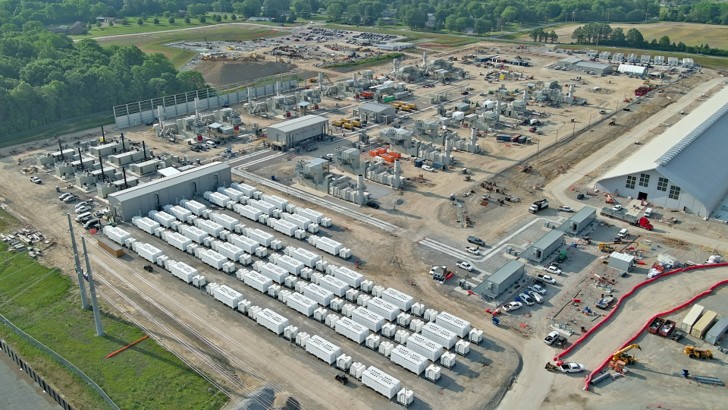
Benefits of behind-the-meter power generation:
- Dedicated onsite generation serves large facilities directly, without drawing power from the public grid
- Supports community growth and economic development while helping protect residential electricity affordability
- Improves reliability by keeping a major, always-on load from adding strain to local infrastructure during peak periods
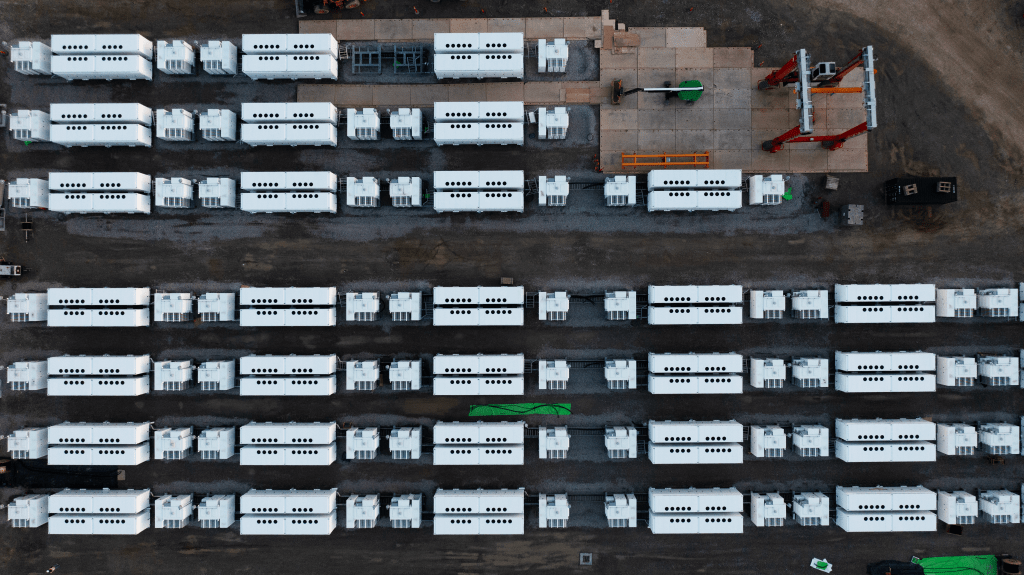
- Battery energy storage can smooth transitions and respond instantly to demand changes
Benefits of behind-the-meter power generation:
As data centers and advanced computing drive record electricity demand, communities want growth without sticker shock. Behind-the-meter power generation helps large facilities secure a dedicated electricity supply without relying on the public grid, supporting economic development while helping protect household energy costs.
What is behind-the-meter power generation?
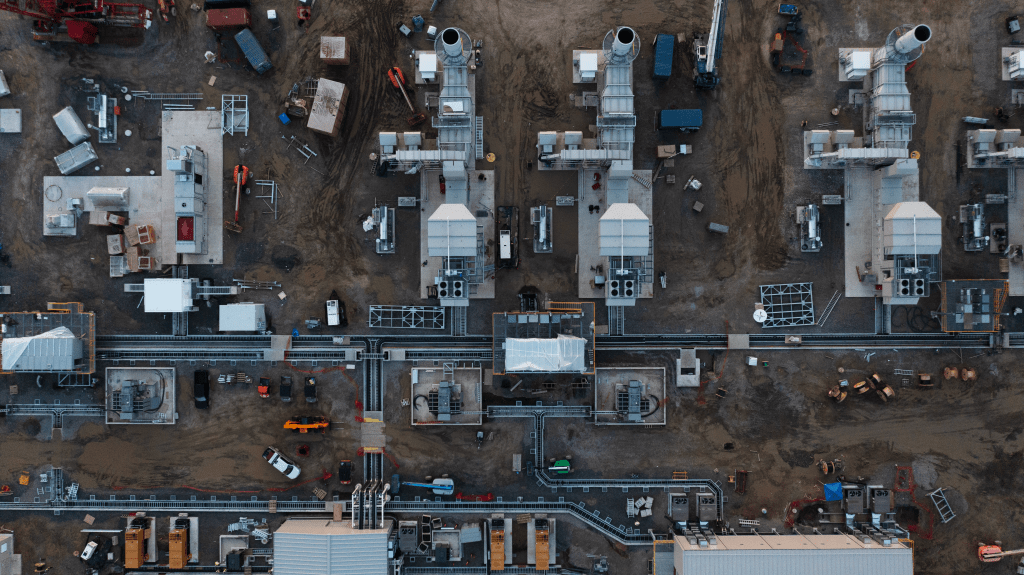
Behind-the-meter power is electricity generated onsite and delivered directly to a large customer. The facility is designed to operate independently of the public grid, using dedicated generation built specifically to serve that load.
“Behind-the-meter power can help communities add the electricity large customers need without shifting those grid upgrade costs onto families,” said Kilian Bryce, Director of Business Development for Power Innovation and New Energy Ventures at Williams. “Reliable power and affordable power should go together, and behind-the-meter solutions help support both.”
How does behind-the-meter power generation work?
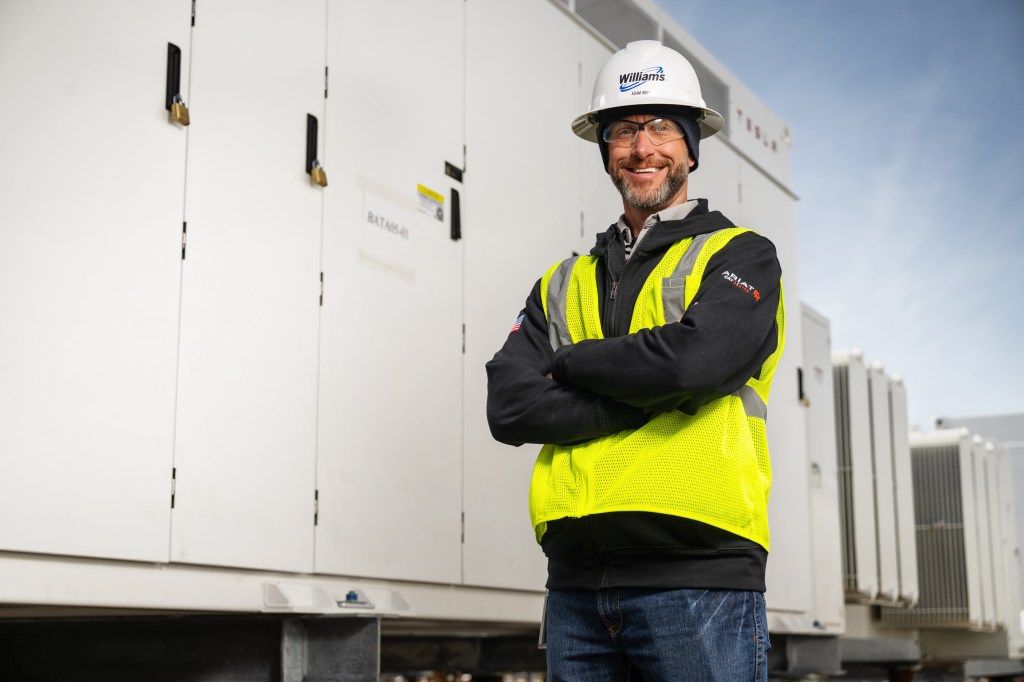
Power is produced at the site using dedicated generation and then safely delivered through onsite electrical equipment. Many projects also include battery energy storage systems that can hold extra electricity and release it instantly if demand spikes or during transitions, helping maintain uninterrupted service.
Because the system operates independently, it avoids adding a large new, always-on load to local grid infrastructure. That helps reduce congestion and supports reliability for homes, businesses and existing industries that continue to use the grid as usual.
Why does behind-the-meter power generation matter for residential affordability?
Connecting a new data center to the public grid can trigger costly upgrades to transmission lines, substations and other infrastructure investments that can affect the broader rate base over time. Behind-the-meter projects are structured so large-load growth is served by dedicated onsite generation rather than drawing from local utilities, reducing the need for grid buildout tied to that specific customer. Because the grid isn’t supplying the power, these projects do not increase demand on local utilities or raise consumer costs.
Another advantage is speed.
Behind-the-meter power can be deployed faster than traditional grid-connected solutions because it does not have to wait for transmission and distribution upgrades to be completed. That allows a data center to begin operating on dedicated onsite generation, with the option to later transition to serving load through grid-facing assets once those upgrades are in place, creating a path that supports immediate growth while ultimately helping lower costs for the broader grid.
Williams develops and operates behind-the-meter power solutions designed for large-load customers like data centers, helping provide dedicated, reliable electricity while protecting local grids and communities.
In short: Behind-the-meter power generation is onsite electricity delivered directly to a single large customer such as a data center rather than supplied by the public grid. By serving new large loads with dedicated generation behind the meter, these projects can reduce the need for grid upgrades tied to that customer and help protect residential electricity affordability while supporting reliable growth.