Key Highlights
- About 60 Williams employees serve their communities as volunteer first responders.
- A $25,000 grant helped Reva Volunteer Fire Rescue strengthen local response capability.
- A $320,000 grant is helping Monroe Township build a regional public safety training complex.
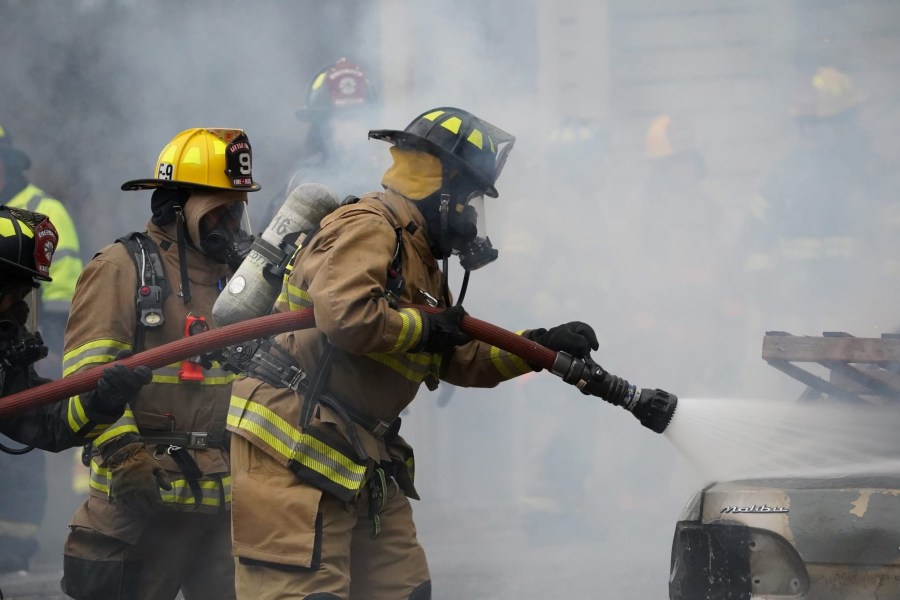
On National First Responders Day, Williams is recognizing employees who serve their communities as first responders and supporting the organizations that help keep those communities safe.
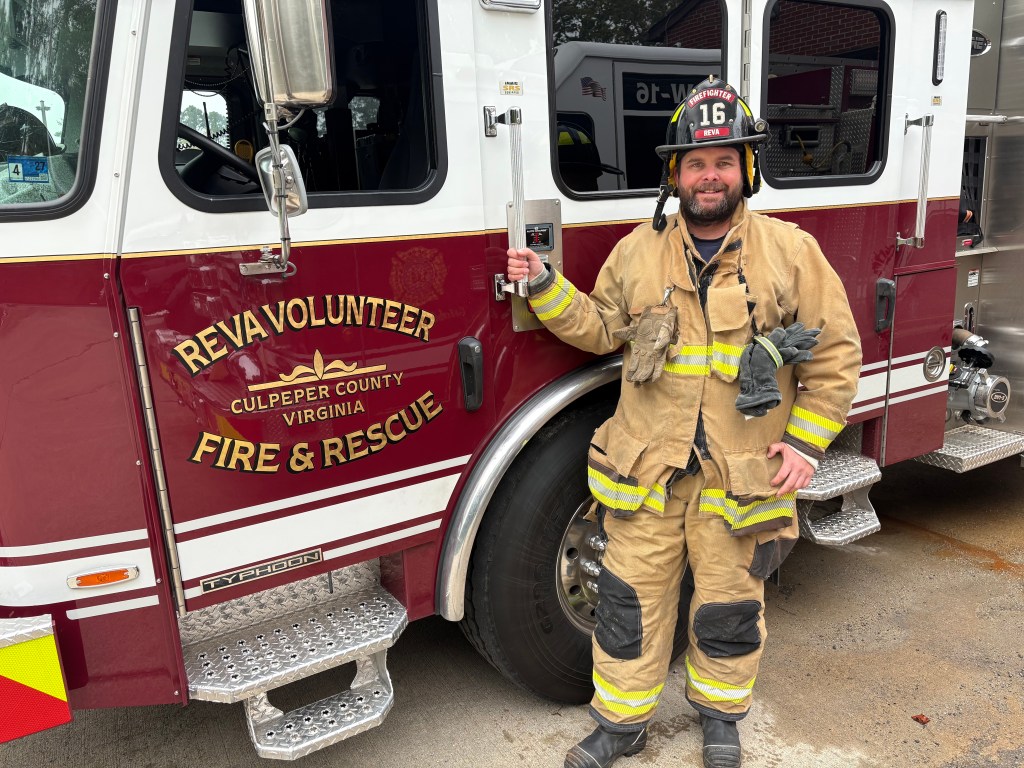
In Unionville, Virginia, Andy Williams spends his workdays overseeing Williams operations. On many Fridays, he answers a different kind of call as a volunteer firefighter with Reva Volunteer Fire Rescue in Culpeper County, where eight all-volunteer fire departments serve the area.
A volunteer firefighter since 2008, Williams said the role keeps him focused on teamwork, service and being ready when people need help most.
“It keeps me learning and problem-solving with a team, but more than anything, it gives me a chance to help people during some of the hardest moments of their lives,” Williams said.
One call still stands out. After a mountain bike accident left a teenager unconscious, far from cell service and hours from a hospital, Williams and other responders worked quickly to get the teenager to an air medical landing zone in 1 hour and 20 minutes. A doctor later told the team that speed saved the teenager’s life.
Williams said experiences like that also shape how he approaches his job.
“Pipeline operations and emergency response both depend on preparation, clear procedures and sound decisions under pressure,” he said. “That helps me serve as a bridge between the company and local responders.”
That connection helped Reva Volunteer Fire Rescue receive a $25,000 Williams grant in 2025 for a cascade system, which allows firefighters to refill breathing tanks locally and keep equipment and personnel closer to the community when calls come in.
Safety focus on and off the job
In Pennsylvania, Adam Soden, a safety specialist based in Tunkhannock, recently returned to volunteer emergency service by joining the Susquehanna Fire Department. Fire service runs in his family: his father was a firefighter, and all three of his brothers are volunteer firefighters.
“Growing up, I saw how one person’s time and commitment could make a real difference for someone in their time of need,” Soden said. “The work can be exciting and a little terrifying at times, but it is equally rewarding.”
His return comes as Pennsylvania departments face a steep decline in volunteer ranks, making every trained responder more important.
“Departments always need enough people to get the job done, and I am glad to be part of that response,” he said. “But the unsung heroes behind the volunteers are the families and friends we often leave at a moment’s notice.”
Investing in responder readiness
Williams is also helping departments meet needs that are hard to fund but important to emergency response.
Recent grants aligned with the company’s Public Safety and Resilience philanthropy have supported an EMS coordinator vehicle in Ohio, a tanker truck in Pennsylvania, water and trench rescue equipment in Ohio, a mobile security trailer in Utah, medical responder training in Mississippi and additional brushfire, rescue, mobility and training capabilities in Virginia, New Jersey and Idaho.
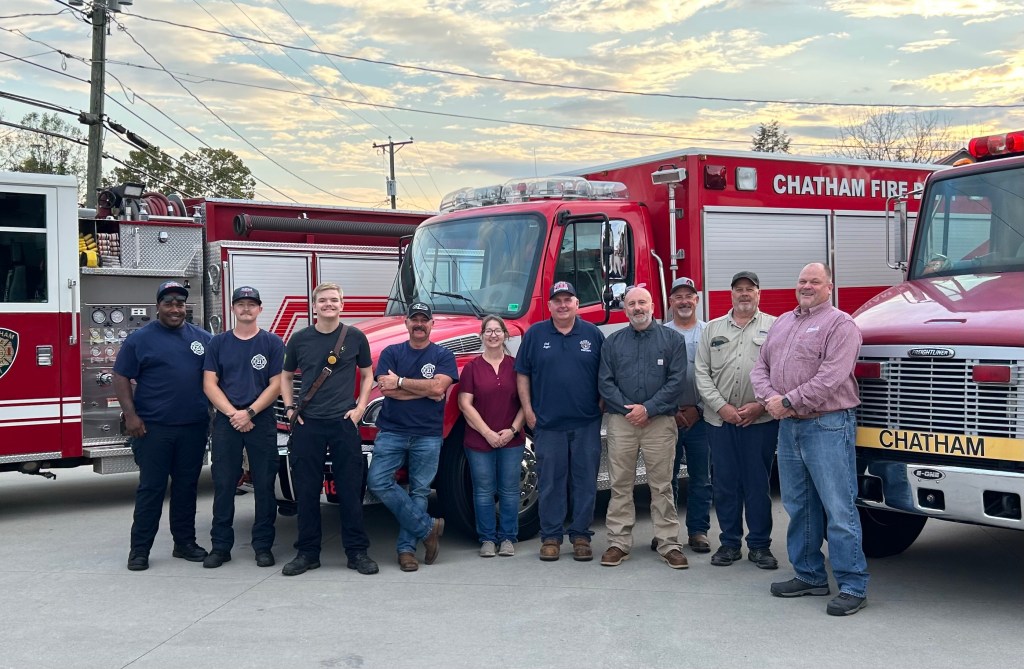
One of the largest recent investments is a $320,000 grant to Ohio’s Monroe Township Fire Department to help build a regional public safety training complex. The facility will give responders realistic spaces to practice fire suppression, rescue and other specialized response skills.
Expected to be completed in 2027, the complex will bring training closer to home, support neighboring departments and improve coordinated regional response.
“This grant means the world to Monroe Township and our entire community,” said Assistant Fire Chief Josh Harrison. “This is something we’ve discussed for years, but the cost made it out of reach. Williams’ support helps us move forward with a training facility that will strengthen emergency readiness as our district continues to grow.”
From employees who answer the call, to grants that help departments prepare for it, Williams is supporting the people and resources that strengthen the places they call home.