Key Takeaways
- NEO: Williams’ largest behind-the-meter power project to date: 682 MW, targeted for service in the second half of 2028
- Atlas: Agreement to provide up to 164 MMcf/d of pipeline capacity for a large Northeast data center customer, expected in service by the end of 2026
- Silver Spur: Proposed Northwest Pipeline expansion adding 275 MMcf/d of capacity with an in-service target of early 2030
Demand from data centers is surging, and Williams leaders say the winners will be the companies that can deliver reliable power quickly. On the company’s Q1 earnings call, executives highlighted a slate of projects aimed at meeting that demand, including NEO (682 megawatts of behind-the-meter generation targeted for service in the second half of 2028) and Atlas (up to 164 million cubic feet per day of pipeline capacity expected in service by year-end).
Power on site, built for speed and reliability
Williams President and CEO Chad Zamarin said hyperscalers (large cloud and AI companies) are increasingly seeking tailored, on-site energy solutions. Behind-the-meter projects generate power at or near the customer’s facility, which can help can serve large loads without waiting years for grid upgrades and can reduce reliability and cost pressures on the broader system. Williams is pairing natural gas generation with batteries and load-following controls to respond to fast-changing AI demand while protecting both on-site systems and the broader grid.
NEO: Williams’ largest behind-the-meter project to date
Williams announced NEO, its fifth commercialized Power Innovation project and its largest behind-the-meter build to date. The project includes 682 megawatts (MW) of installed capacity and is targeted to enter service in the second half of 2028.
The company also announced Atlas, a gas infrastructure agreement to provide up to 164 million cubic feet per day of pipeline capacity for a large, investment-grade data center customer in the Northeast. Expected to be in service by year-end, Atlas is modest in capital terms but, Zamarin said, delivers a near-term benefit: shifting backup generation for existing data centers from diesel to natural gas.
‘We are an infrastructure solutions provider’
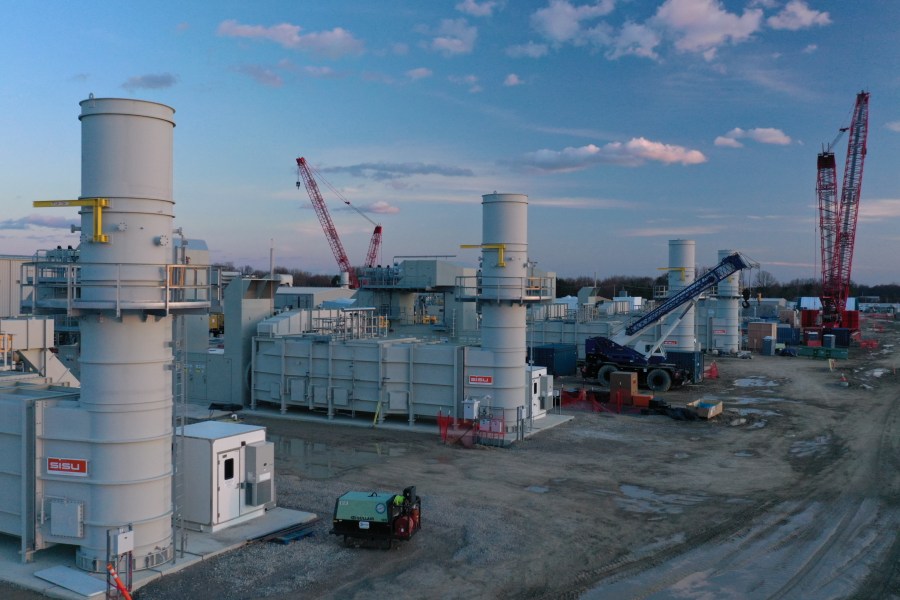
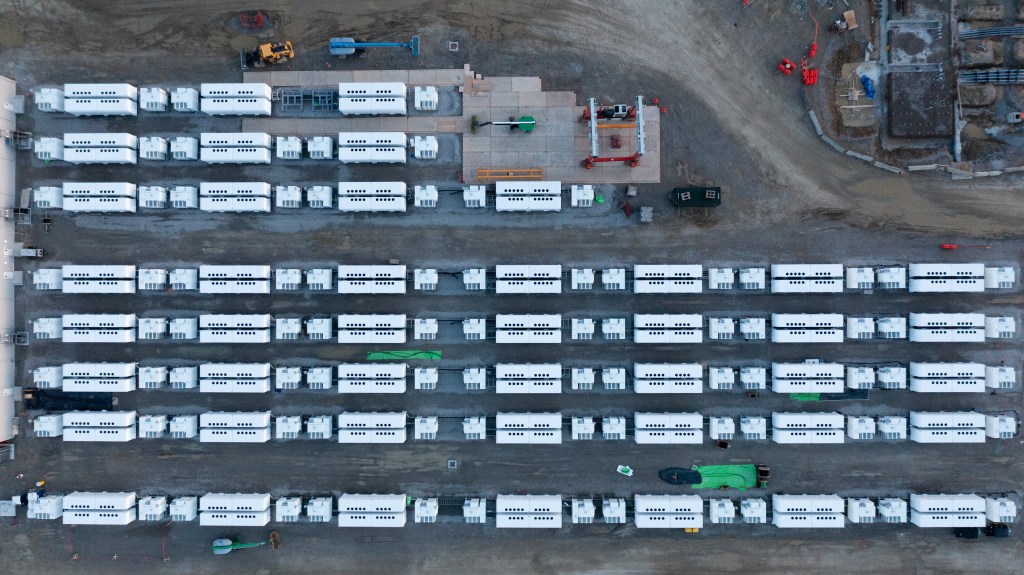
Data centers are driving new Williams buildouts in multiple states, including Ohio, where the Socrates behind-the-meter project is nearing completion.
Zamarin said a broader aim is to “unlock the grid” by partnering with utilities and expanding into the markets where customers want to build. Williams is using its natural gas network as a backbone, paired with generation and storage, so projects can move ahead while grid upgrades catch up.
“Don’t think of us as just a behind-the-meter solution provider,” Zamarin said. “We want to be recognized as an infrastructure solutions provider.”
Williams leaders also highlighted Sequent Energy Management, its marketing platform, as a growth multiplier. Zamarin said the company can combine Sequent’s reach with its gathering, processing and transmission assets to deliver full value-chain solutions for data center customers.
“We touch every producer in the country and effectively every major utility in the country,” he said, arguing that reach helps hyperscalers manage needs upstream and “take care of all the complexities of getting energy to their facility.”
Permitting reform to keep pace with demand
Leaders said faster permitting is becoming as critical as steel in the ground. Zamarin cited two priorities: reforming the Clean Water Act Section 401 process — one part of federal water-quality permitting — to prevent a single state from blocking a federally approved project and pursuing judicial changes to curb drawn-out legal challenges.
We spent 13 years in litigation on Atlantic Sunrise. We won every lawsuit along the way. All that did was delay the project and increase the cost to the consumer. It’s just too easy to tie projects up in litigation.
Williams President & CEO Chad Zamarin
Silver Spur opens a new chapter in the Pacific Northwest
Williams also announced Silver Spur, a major expansion of its Northwest Pipeline system, adding new compression and a 90-mile transmission line into Idaho. The project would add 275 million cubic feet per day of capacity, with an in-service target of early 2030. Silver Spur is the first phase of the Rockies Columbia Connector concept and one of the Pacific Northwest’s first major pipeline expansions in more than two decades.
EVP and Chief Operating Officer Larry Larsen pointed to the region’s growth and rising need for additional infrastructure.
A project many thought impossible
Zamarin also credited the teams behind the buildout as projects move from plans to construction.
“As we celebrated the groundbreaking of our NESE Project, the first new gas pipeline in New York City in over a decade, a project many thought impossible,” he said, “I was reminded of the role we play in a stronger, more resilient America.
“Not just through pipelines and power, but through livelihoods, through the meaning and purpose of the men and women who do the essential work of delivering the energy infrastructure of America. These are the real heroes of our energy and our environment. “
Quick facts
What is behind-the-meter power?
Electricity generated at or near a customer’s facility, which can reduce reliance on grid upgrades and provide faster, more predictable power for large loads.
What is NEO?
Williams’ largest behind-the-meter power project to date: 682 MW of installed capacity, targeted to enter service in the second half of 2028.
What is Atlas?
A gas infrastructure agreement to provide up to 164 million cubic feet per day of pipeline capacity for a large, investment-grade data center customer in the Northeast, expected to be in service by year-end.
What is Silver Spur?
A proposed expansion of Williams’ Northwest Pipeline system that would add new compression and a 90-mile transmission line into Idaho, adding 275 million cubic feet per day of capacity with an in-service target of early 2030.