
Key highlights
- Northwest Pipeline marks 70 years of dependable natural gas service across the West.
- Williams is investing in expansions and modernization to meet growing regional energy demand.
- Employees and customers are helping shape the system’s next era of reliability and growth.
As Northwest Pipeline marks 70 years, Williams is building on decades of dependable natural gas service, with experienced employees and an expansion strategy focused on meeting the West’s energy needs for years to come.
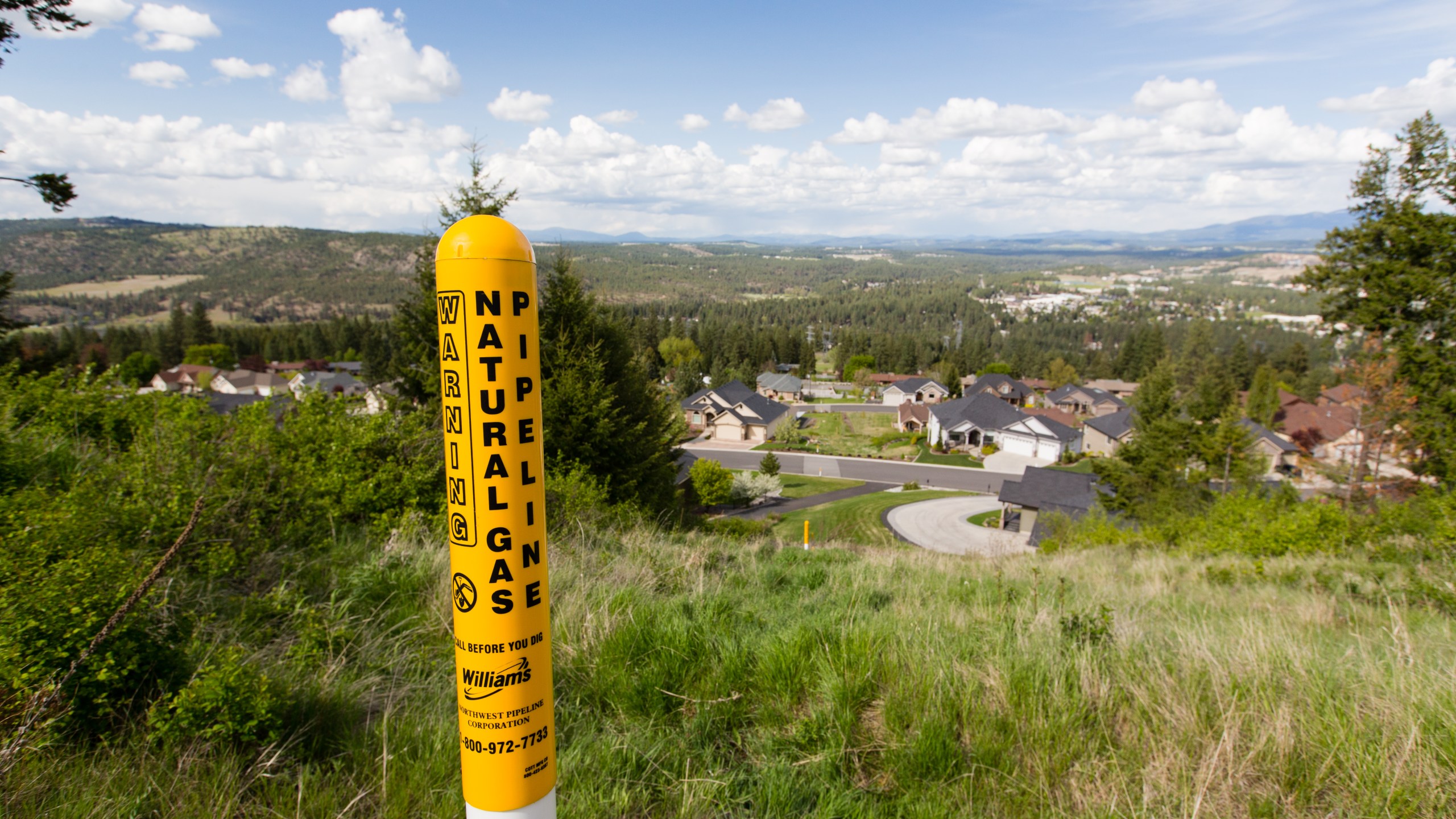
Northwest Pipeline’s roots trace to the mid-1950s, when Pacific Northwest Pipeline Corp. built a 1,500-mile line linking San Juan Basin gas to growing markets in the Pacific Northwest. The project was memorialized in the 1956 short film “The Scenic Inch,” a nod to the terrain and communities the line would cross.
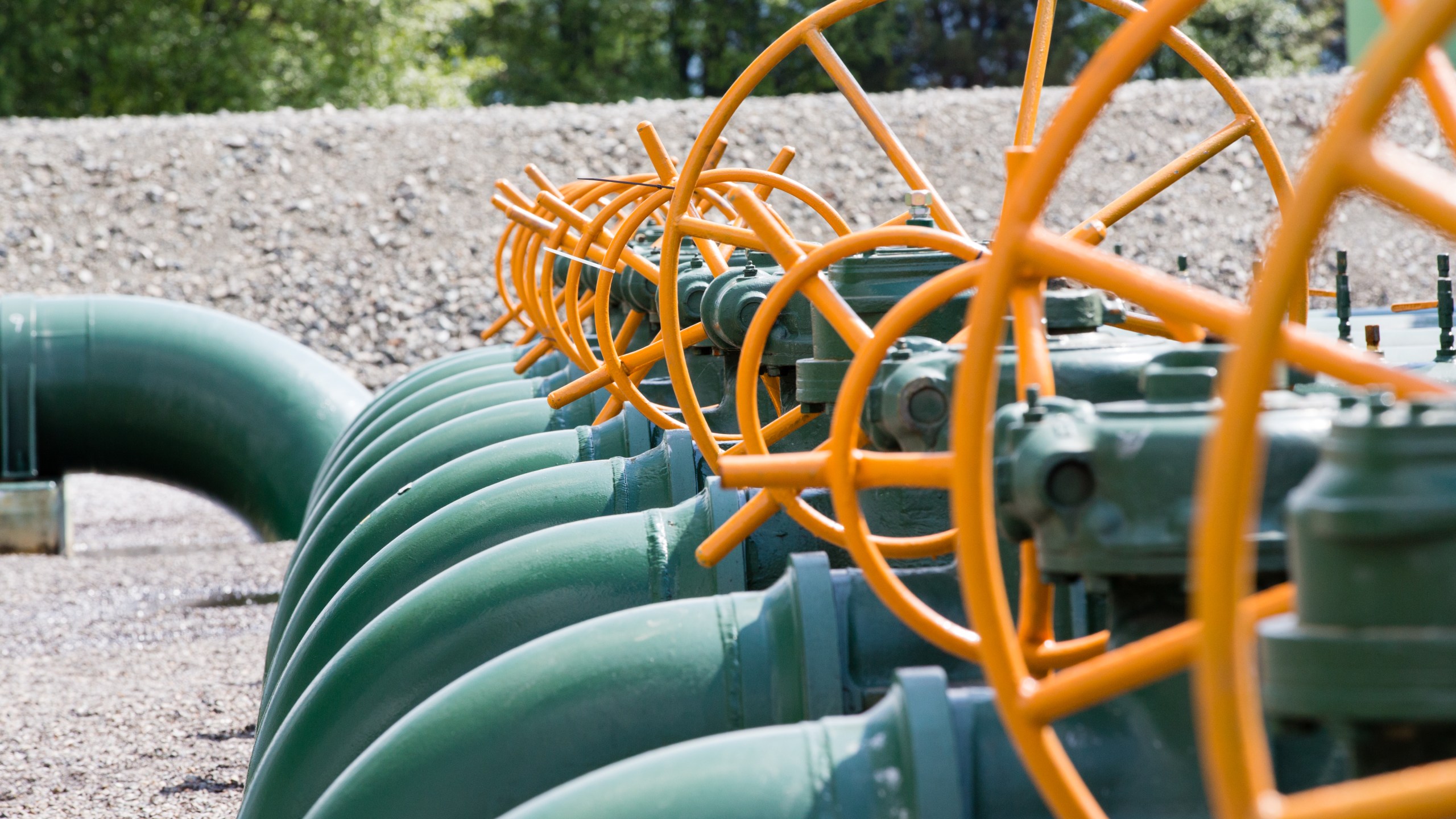
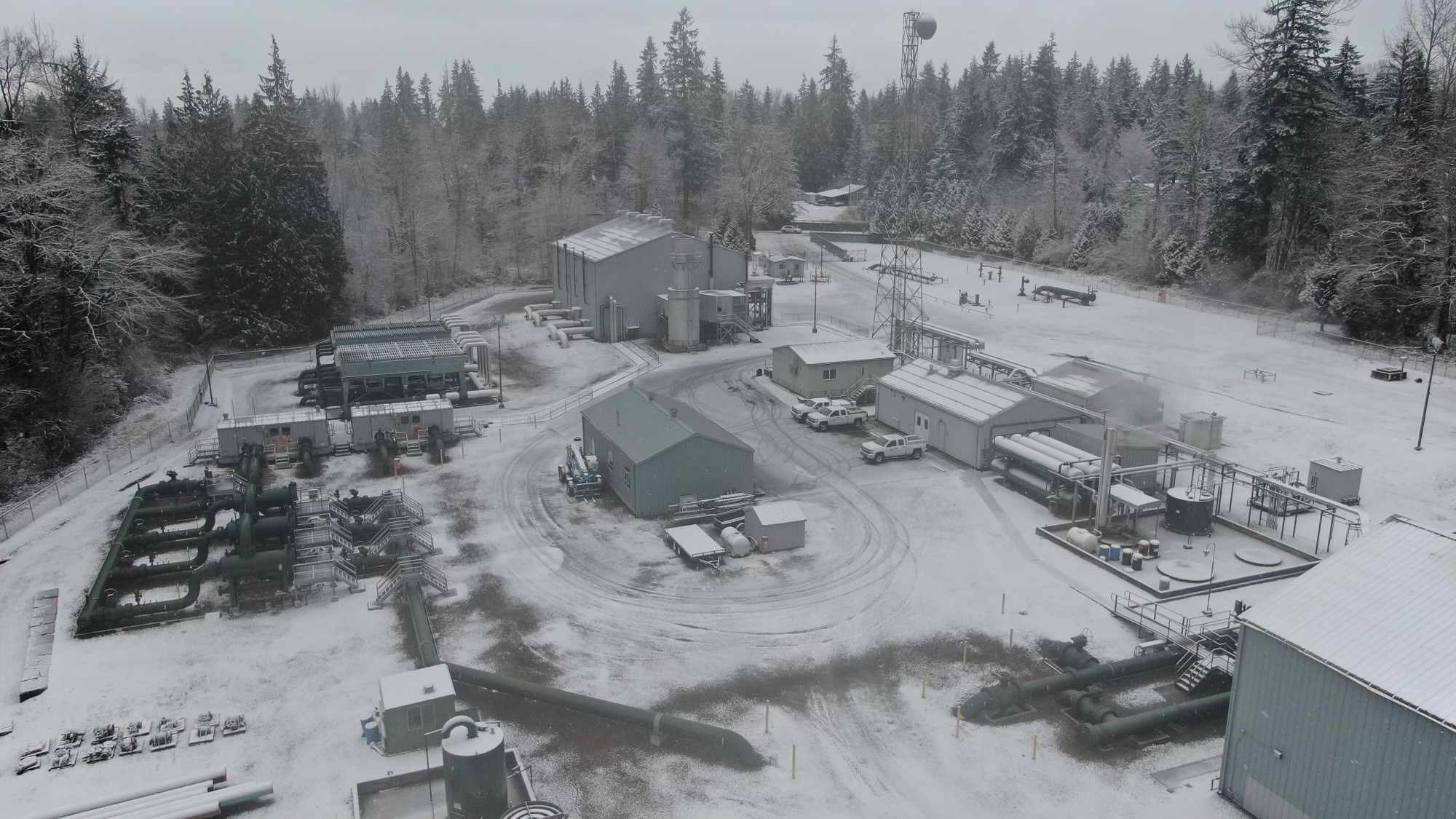
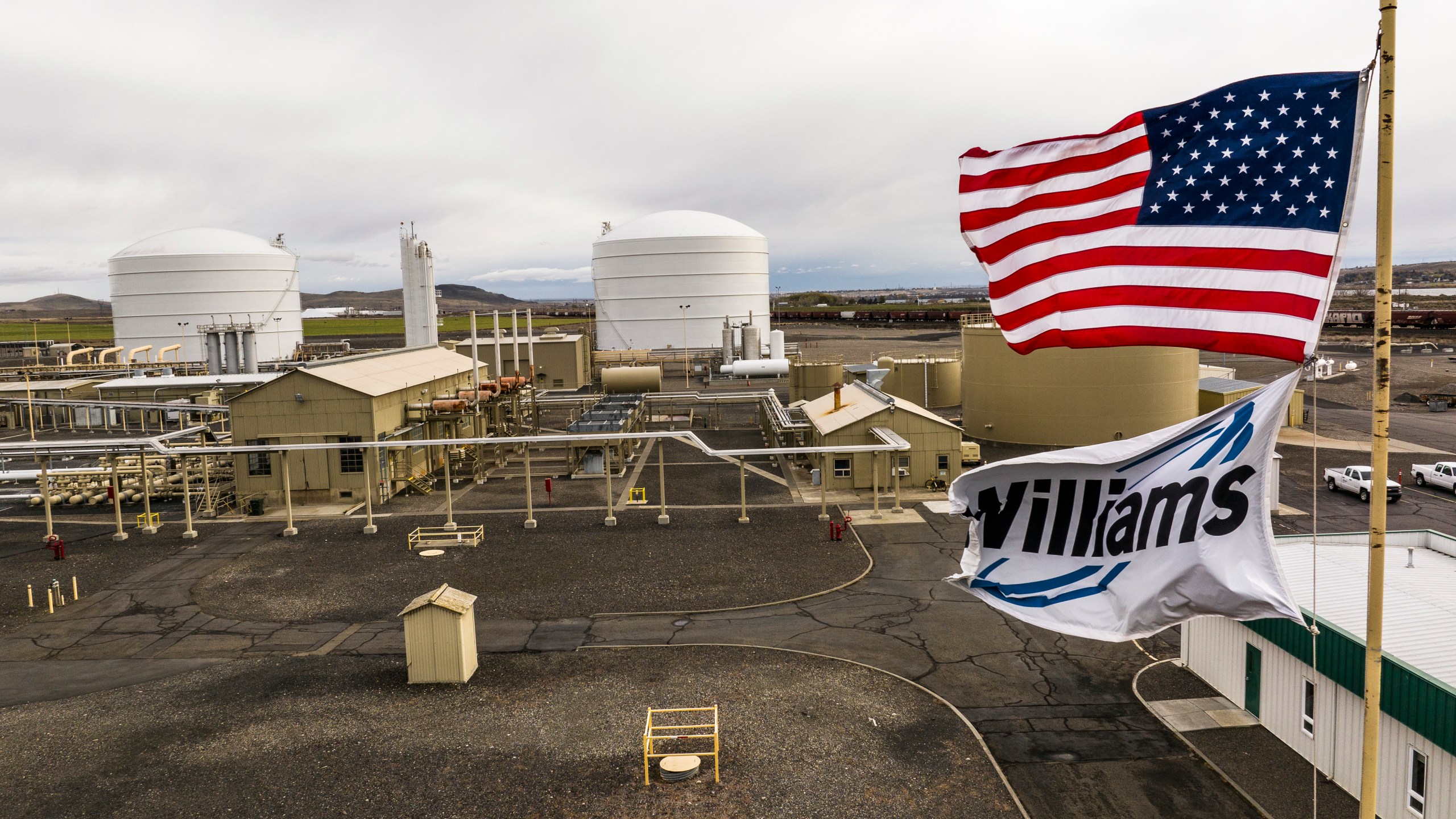
Today, that backbone has grown into a nearly 4,000-mile, bidirectional transmission network spanning six Western states, with 41 compressor stations, approximately 3.8 million dekatherms per day of peak design capacity and seasonal storage to help manage winter demand and supply disruptions.
Reliability when the West needs it most
Northwest Pipeline’s geographic footprint, strong customer relationships, storage connectivity and operating strength help Williams connect energy supply with growing demand across the West.
Gary Venz, director of commercial services for Northwest Pipeline
That role is becoming even more important as the region adds electric load, retires coal generation and depends on natural gas to support reliability when renewable output is constrained.
The Northwest Gas Association says natural gas provides nearly three-quarters of the region’s energy use during extreme weather events, while the Northwest Power and Conservation Council has identified data centers as an emerging source of future power needs. Those trends show why the West needs infrastructure that can respond on the coldest days, support the grid during peak conditions and keep energy affordable and available.
Meeting that demand depends not only on steel, compressors and storage, but on the people who know the system mile by mile.
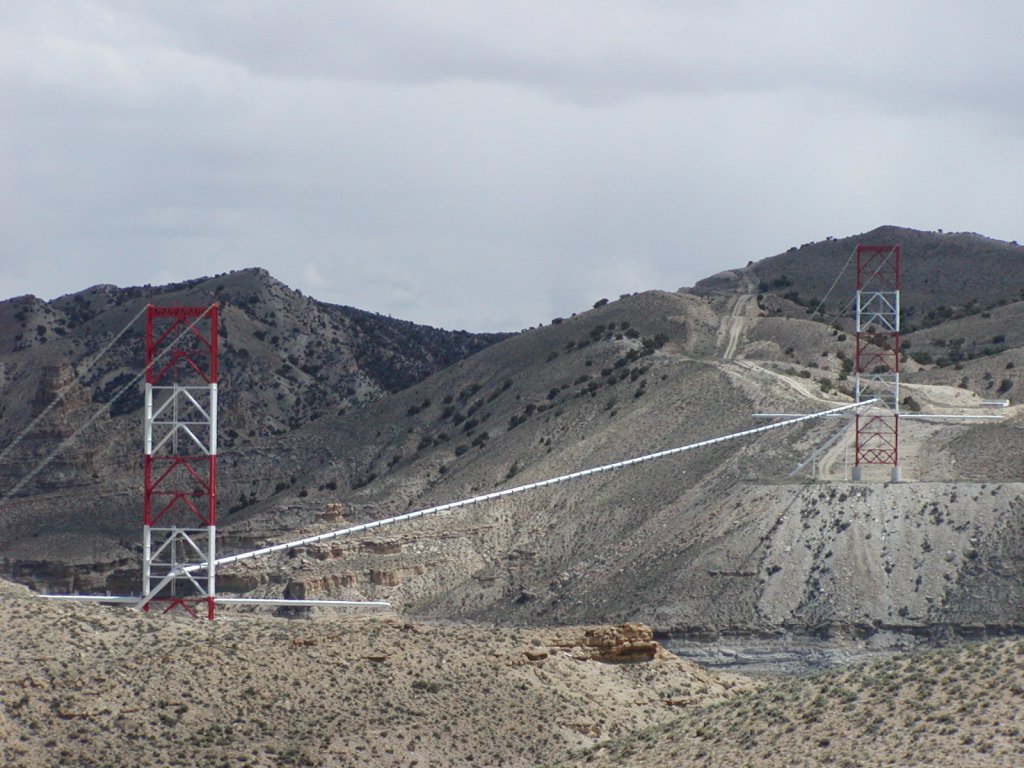
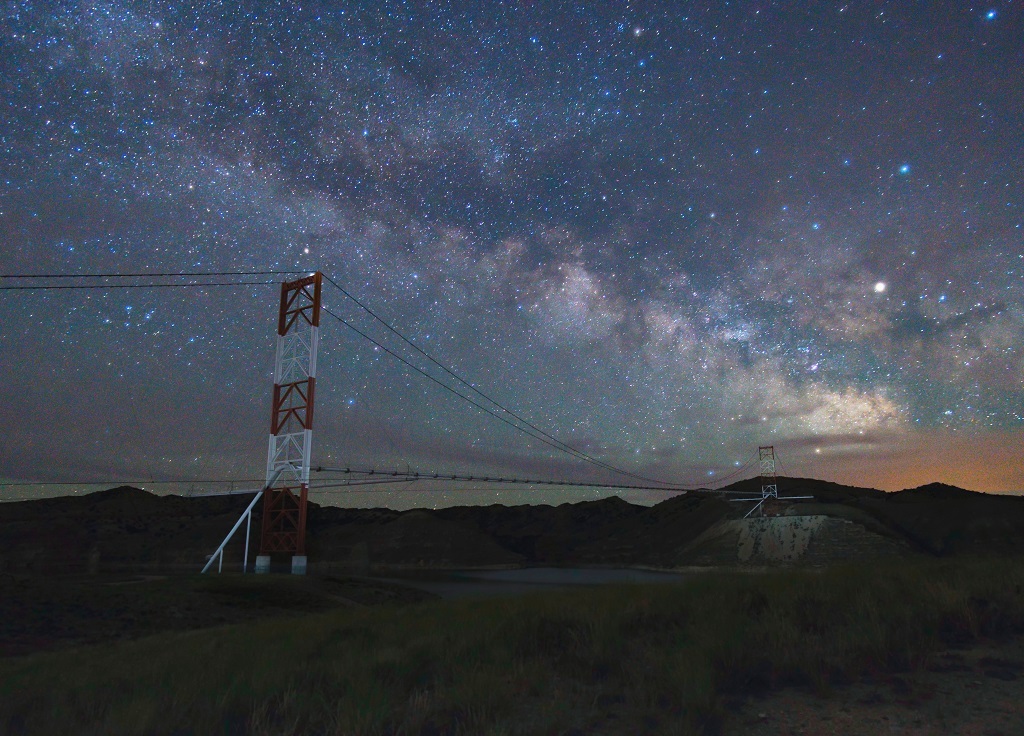
One of Northwest Pipeline’s most notable engineering projects is its Flaming Gorge crossing in Wyoming.
Built after Flaming Gorge Dam required the pipeline to be rerouted, the 1962 suspension bridge holds the pipeline nearly 350 feet above the Green River and reservoir, with a 1,919-foot main span. More than six decades later, it remains a visible example of the innovation that helped Northwest Pipeline grow across the West.
People behind dependable service
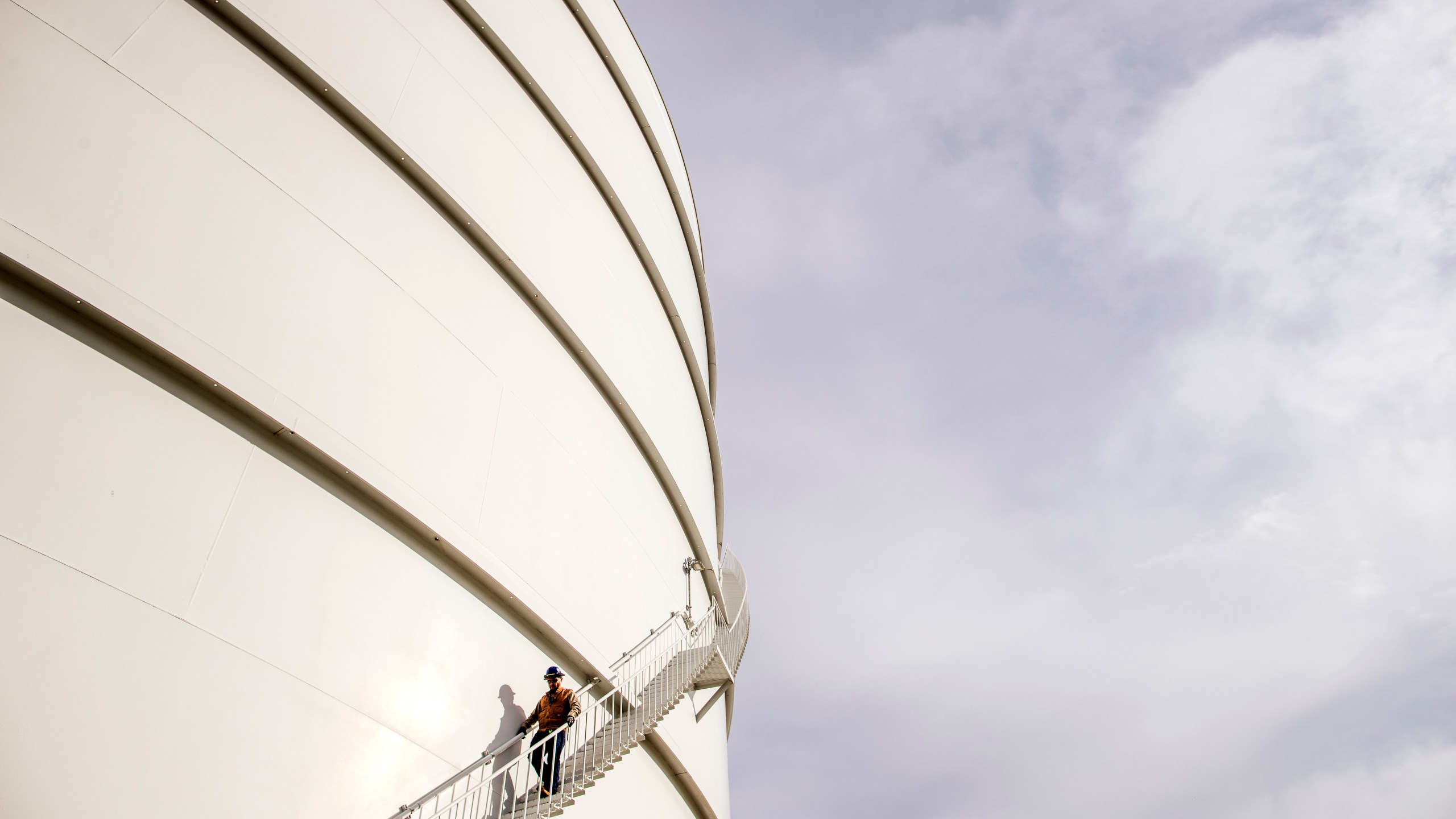
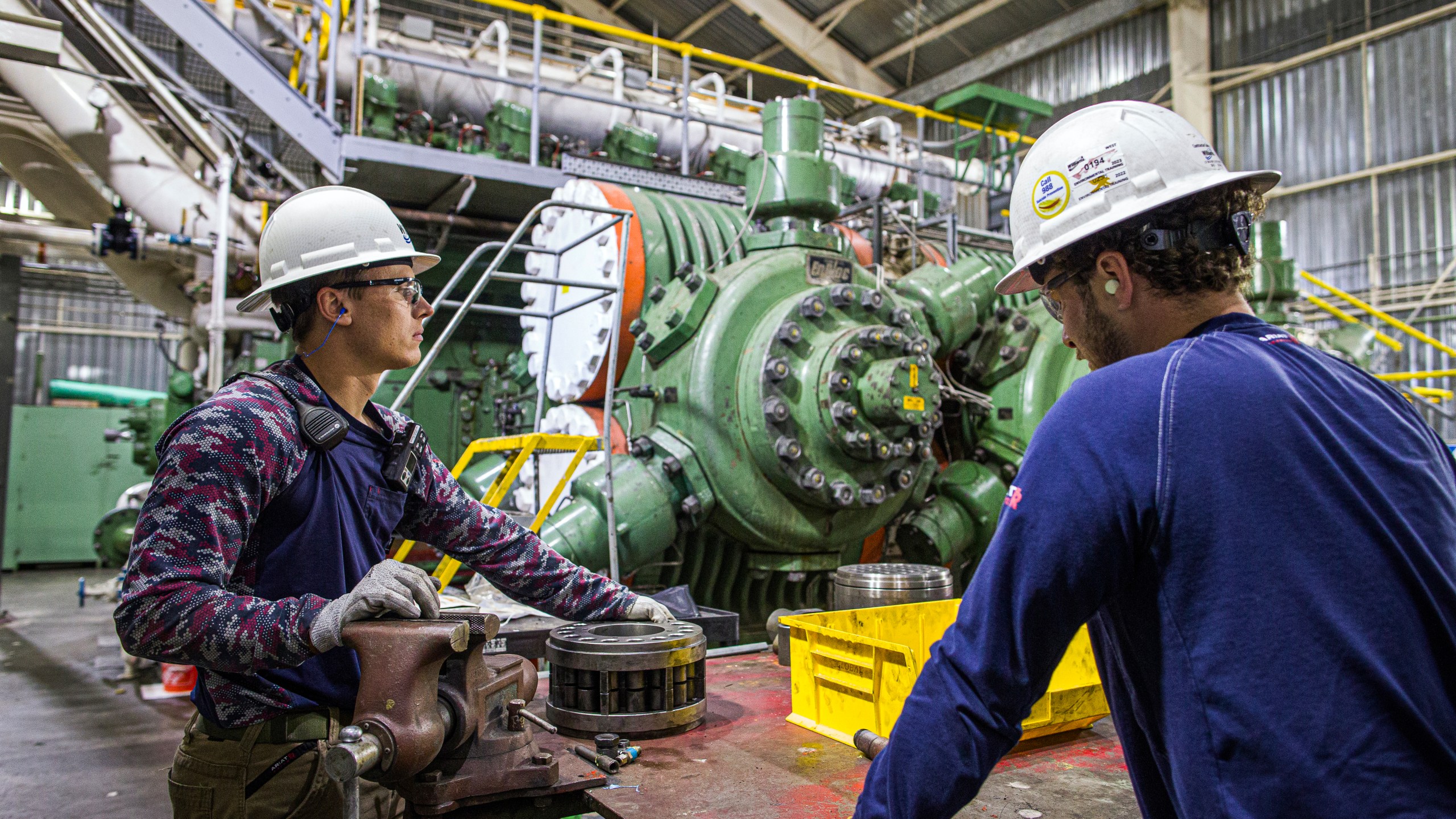
Across compressor stations, control rooms, field operations and commercial teams, employees help Northwest Pipeline operate safely and efficiently while delivering dependable service to customers and communities.
Technical specialist Lynn Stoll has worked on Northwest Pipeline for nearly 45 years, the second of three generations of Stolls working for Williams. From his Washam, Wyoming, home, he can see both the Flaming Gorge pipeline crossing — an engineering feat of the early 1960s — and the construction site of a new compressor station.
The views connect the pipeline’s past and future, reflecting a system that continues to support the region’s economy, safety and growth.
“We’ve always been part of the community out here,” Stoll said, “providing good jobs, working closely with emergency responders and helping where we can. But the biggest change has been safety. We build smarter, inspect more closely and maintain the system better, with stronger tools and standards than we had decades ago. When you look at where it started and where it is now, it’s pretty remarkable.”
Rob Harmon, operations director for Williams’ Pacific division, started as an engineering intern at Northwest Pipeline in the early 1990s.
“I remember being very impressed with the culture,” he said. “The camaraderie, teamwork and willingness to share knowledge was evident from day one. Even all these years later, the people and the culture are still what stands out and makes us excel.”
Investing for the next era
Williams is building on that legacy with a phased expansion strategy to help meet growing demand across the West. Projects such as Wild Trail, Stanfield South, the Naughton Coal-to-Gas Conversion Project and Silver Spur are expanding market access, enhancing reliability, supporting power generation and creating new opportunities for customers.
For director of projects Jeremiah Ross, who has spent 24 years at Williams, the growth underway on Northwest Pipeline reflects more than new infrastructure. It reflects a strong culture among the employees who operate, maintain and expand the system — people who take ownership in building projects that matter.
“We’re in a very exciting period for Northwest Pipeline,” Ross said. “The demand for energy and electricity in the region is creating opportunities to expand the system, serve more customers and build the next generation of projects that will support growth across the West.”
Pacific Northwest Pipeline’s History
- 1956: Pacific Northwest Pipeline completes the original 1,500-mile system, memorialized in the film “The Scenic Inch.”
- 1957: El Paso Natural Gas acquires Pacific Northwest Pipeline
- 1960s: The system expands with the region’s growing homes, businesses and industry.
- 1970s: Additional upgrades strengthen service across the West.
- 1983: Williams acquires Northwest Energy Company, adding to its interstate pipeline network.
- 1990s: Modernization projects improve flexibility and operating efficiency.
- 2010s: Transported volumes rise as the system supports regional energy reliability.
- 2023: Williams highlights more than 65 years of expansion, maintenance and inspection.
- 2025: Projects including Kelso Beaver and Wild Trail advance to support future demand.
- 2026 and beyond: Silver Spur and other upgrades help prepare for the next era of growth.
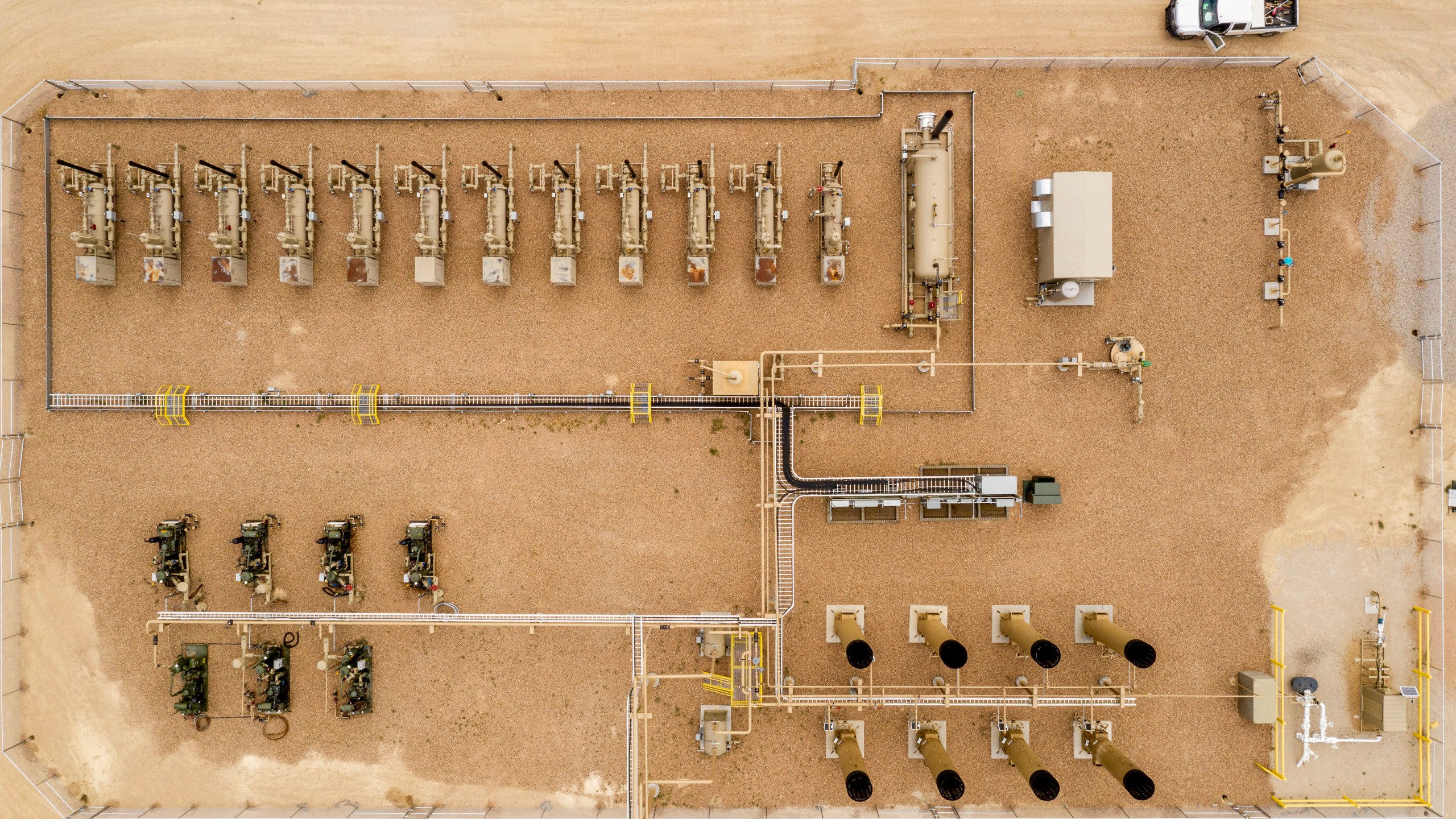
Growth is only one part of the investment story. Williams also is advancing one of the most significant modernization efforts in Northwest Pipeline’s history. Through the Emissions Reduction Program and broader system upgrades, the company is replacing legacy infrastructure with modern, lower-emission technologies that improve efficiency, strengthen reliability and enhance operational flexibility.
Together with customers, Williams is investing in safe, resilient infrastructure to support the region’s changing energy needs.
After 70 years of fueling homes, businesses and communities across the West, Northwest Pipeline is entering its next chapter with the same priorities that built its first: safe operations, dependable service and room to grow.